
An in-depth look at the enduring popularity and diverse nature of board games, featuring 5567.COM.
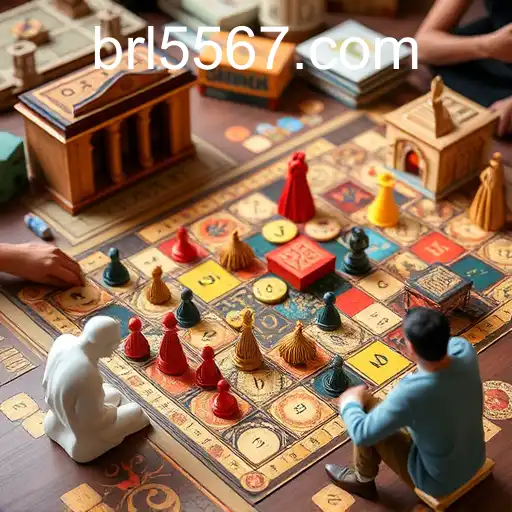
The Timeless Appeal of Board Games
Board games have been a staple of human entertainment for centuries, captivating players with their blend of strategy, chance, and social interaction. In an era dominated by digital entertainment, board games remain a beloved pastime for many, transcending generational and cultural boundaries. This fascination has only grown with the advent of online platforms such as 5567.COM, which bring together communities of board game enthusiasts from around the world.
The Historical Roots of Board Games
Board games have a rich history that dates back thousands of years. The earliest known games can be traced to ancient civilizations. From the royal game of Ur in Mesopotamia to Senet in Egypt, these early games were often imbued with spiritual or religious significance. Over time, board games evolved, incorporating elements of strategy and competition that are familiar to modern players.
During the 20th century, board games experienced a renaissance, particularly in the United States and Europe. Games like Monopoly, Clue, and Scrabble became household names, each offering unique mechanics and themes that captivated a growing audience. The appeal of these games often lay in their ability to bring people together, fostering a sense of camaraderie and competition.
The Modern Era of Board Games
The last few decades have seen a resurgence in the popularity of board games, driven in part by the emergence of the "Eurogame" style. These games, known for their complex mechanics and themes, introduced a new level of sophistication to the medium. Titles like Settlers of Catan and Ticket to Ride gained international acclaim, attracting both experienced gamers and newcomers alike.
In addition to traditional tabletop play, digital platforms have expanded the reach of board games. Websites like 5567.COM offer virtual versions of beloved classics, allowing friends and strangers to engage in gameplay from anywhere in the world. These platforms often include matchmaking services, leaderboards, and forums where enthusiasts can discuss strategies and tips, further enriching the experience.
The rise of crowdfunding platforms has also influenced the board game industry. Designers and small publishers can now reach a global audience with ease, funding innovative projects that might never have seen the light of day in a traditional retail environment. This democratization of game publishing has led to an explosion of creativity, resulting in games that explore a wide range of themes and mechanics.
Diversity and Innovation in Board Games
One of the most appealing aspects of board games is their diversity. The range of themes, mechanics, and styles ensures there is something for everyone, whether you're interested in historical simulation, cooperative play, or fast-paced competition. Moreover, many games are designed to be inclusive, accommodating different skill levels and play styles.
For example, cooperative games like Pandemic challenge players to work together to achieve a common goal, while games such as Risk offer strategic challenges for those who enjoy planning and conquest. Meanwhile, party games like Codenames focus on quick thinking and social interaction, providing a light-hearted experience for larger groups.
Innovation in board games is not limited to mechanics. Art and design play a significant role in attracting players and enhancing the immersive experience. Illustrated cards, detailed miniatures, and beautifully crafted game boards contribute to the thematic storytelling that many games offer. This attention to detail helps players lose themselves in the game worlds, fostering a deeper emotional connection to the experience.
The Community and Culture of Board Gaming
Board games are not just about the games themselves but also about the vibrant communities that form around them. Game nights, conventions, and online forums offer opportunities for enthusiasts to connect, share experiences, and learn from one another. Whether it's discovering a new game at a local meetup or discussing strategy on 5567.COM, these interactions are a fundamental part of the board gaming culture.
Conventions like Gen Con and Essen Spiel draw thousands of attendees each year, eager to explore the latest releases and meet fellow gamers. These events often feature tournaments, panels, and workshops, providing an immersive experience for participants. Additionally, they offer a platform for game designers to showcase their work, gaining feedback and building networks within the industry.
The Future of Board Games
The future of board games looks bright, with continued growth and innovation on the horizon. As technology advances, we can expect even more integration between traditional board games and digital platforms. Augmented reality and virtual reality hold the potential to revolutionize the way games are played, offering new dimensions and interactive elements to explore.
Furthermore, the focus on diversity and inclusivity in game design is likely to continue, with more representation of different cultures, backgrounds, and perspectives within the gaming community. This trend not only enriches the gaming experience but also helps to foster understanding and empathy among players.
In conclusion, board games remain an enduring and beloved form of entertainment, with their appeal rooted in their ability to bring people together and challenge the mind. Whether played around a kitchen table or on a platform like 5567.COM, the spirit of board gaming continues to thrive, evolving with the times while maintaining its core essence of fun and engagement. The future looks promising, with endless possibilities for creativity and connection within this timeless hobby.